.png)
Dental Implants vs Dental Bridges: A Comprehensive Comparison of Cost and Quality
- Dr. Tamer Wagih
- Apr 12
- 3 min read

When a person loses one of their teeth, they face an important choice between dental implants and traditional dental restorations. This decision is not based only on medical factors, but also on financial considerations. Many people ask: Does the price difference between dental implants and bridges reflect the quality of treatment? And is investing in dental implants worth the higher cost? In this article, we will provide a detailed comparison between both options in terms of cost, quality, and long-term maintenance.
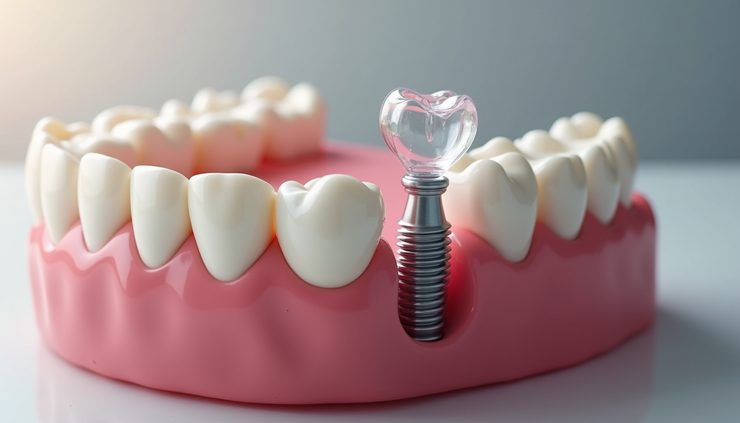
Dental Implants vs Dental Bridges and the Cost of Each
Treatment Cost and Its Impact on Decision-Making
Treatment cost is one of the main factors influencing people’s decisions. In general, dental implants are significantly more expensive than traditional dental bridges. While prices vary, there are key differences between the available options:
Dental implants: Generally considered more expensive.
Traditional restorations (bridges or partial dentures): Usually less expensive.
Individuals should consider these differences when choosing the most suitable treatment.
Reasons Behind the Higher Cost of Dental Implants
Advanced technology: Dental implants require high-quality materials such as titanium, as well as 3D imaging techniques to precisely determine implant placement.
Surgical procedure: Implant placement involves precise surgery, which increases the cost of the dentist and clinic.
Time and multiple visits: Implant treatment takes several months with repeated follow-up visits, while bridges are usually completed in a shorter time.
Cost of Dental Bridges
Dental bridges include different types such as fixed bridges, partial dentures, or full dentures. They rely on less expensive materials and simpler procedures, making them a preferred option for those seeking a faster and more affordable solution.
Why Are Implants More Expensive?
The price difference between dental implants and bridges is due to several factors related to treatment quality and long-term results:
Natural function: Implants mimic the natural tooth root, providing better stability and chewing efficiency compared to bridges, which depend on adjacent teeth or gums.
Bone preservation: Implants stimulate the jawbone and help maintain its density, while bridges may lead to bone loss over time.
Aesthetic appearance: Implants provide a more natural look since the restoration is directly attached to the implant, reducing movement or gaps.
Does Price Reflect Quality?
Price does not always guarantee quality, but it is an important indicator. In the case of dental implants, higher prices are often associated with better materials and more advanced clinical expertise. Dental bridges, however, can vary greatly in quality depending on the materials used and the dentist’s skill.
Illustrative Examples
Very low-cost implants may use poor-quality materials or improper techniques, leading to implant failure or the need for retreatment.
High-cost bridges may use better materials such as porcelain or metal crowns, but they still do not match the stability and function of implants.
Long-Term Costs
When comparing dental implants and bridges, long-term maintenance should also be considered:
Dental implants: Typically last 15–25 years or more with proper care. Maintenance includes routine cleaning and follow-up visits with relatively low costs.
Dental bridges: Usually last 5–10 years and may require replacement or adjustment due to wear or changes in gum and bone structure. Maintenance may include repairs, re-cementation, or full replacement.
Maintenance Cost Comparison : Dental Implants vs Dental Bridges
Treatment | Expected Lifespan | Maintenance Cost |
Dental implants | 15–25+ years | Routine cleaning + low-cost follow-ups |
Dental bridges | 5–10 years | Frequent repairs + periodic replacement |
Tips for Choosing the Right Option
Budget: If your budget is limited, bridges may be a good temporary solution.
Treatment longevity: If you are looking for a long-term solution, dental implants are worth the investment.
Bone and gum condition: Some cases require implants with additional procedures such as bone grafting.
Lifestyle: People who prefer long-term comfort with minimal maintenance often choose implants.
Conclusion
Choosing between dental implants and bridges depends on several financial and medical factors. Dental implants offer a more durable and higher-quality solution but come at a higher cost. Bridges provide a faster and more affordable option but require more maintenance and replacement over time. Price often reflects treatment quality, but it is not the only factor. Consulting a dental specialist is essential to determine the most suitable option based on individual needs and budget.
If you are considering replacing a missing tooth, think about long-term investment—dental implants may provide better comfort, stability, and quality of life for many years.


Comments