
Hidden Tooth Cracks Causes Symptoms and How to Protect Your Teeth

A tooth can look perfectly normal and still be cracked.
That is what makes hidden cracks so frustrating. One bite feels fine, then the next brings a sharp, electric pain that disappears almost as quickly as it came. Many people ignore that kind of pain because it is brief. The tooth does not ache all day. There may be no dark spot, no swelling, and no obvious hole.
Yet that quick sting can be an early warning sign.
Tooth cracks often start as tiny lines in the enamel or deeper tooth structure. Some stay harmless for years, while others spread under pressure and reach the sensitive inner layers of the tooth. Once that happens, eating, drinking, and even breathing in cool air can become painful.
This article is for general education and does not replace a dental exam. If pain keeps returning, especially when chewing, a dentist should check the tooth before the crack becomes harder to treat.
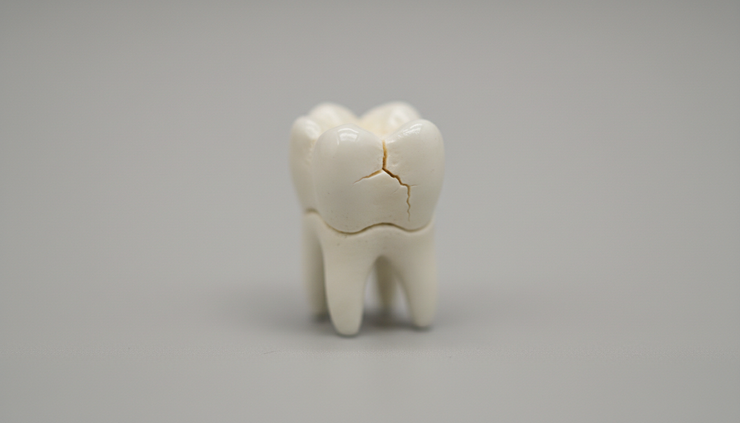
How hidden cracks form inside a tooth
Tooth enamel is the hardest substance in the body, but it is not flexible. It handles normal chewing well because teeth are shaped to spread pressure across the bite. Trouble begins when that pressure becomes too strong, too sudden, or poorly directed.
A crack may begin as a tiny fracture in the enamel. At first, it may not hurt at all. Over time, chewing can open and close the crack slightly, almost like bending a paper clip back and forth. That repeated movement can irritate the dentin and pulp inside the tooth.
The pulp contains nerves and blood vessels. When a crack reaches or irritates this area, pain becomes sharper and harder to ignore.
Cracks can also form around old dental work. A large filling may protect a tooth from decay, but it can leave less natural tooth structure behind. If the remaining walls become thin, they may split under biting force.
Not every line on a tooth is dangerous. Many adults have tiny surface lines called craze lines. These are shallow cracks in the enamel and often do not need treatment. The concern is a crack that causes pain, sensitivity, or movement in the tooth structure.
A brief chewing pain that keeps coming back is not “normal sensitivity.” It is a reason to have the tooth examined.
The main causes of cracked teeth
Hidden fractures usually come from a mix of pressure, habits, and weakened tooth structure. One cause may start the problem, while another makes it worse.
Chewing very hard foods
Ice, hard candy, popcorn kernels, and very hard nuts can place sudden force on one small area of a tooth. This can create a crack in a healthy tooth or worsen a tiny crack that already exists.
Chewing ice is especially risky because it combines hardness with cold temperature. The tooth receives both mechanical shock and thermal stress at the same time.
Common high-risk habits include:
Biting ice after finishing a drink
Cracking nutshells with the teeth
Chewing hard candy instead of letting it dissolve
Biting directly on olive pits or popcorn kernels
Using teeth to open packaging
Teeth are made for food, not tools. Even one unlucky bite can damage the enamel or a tooth with an old filling.
Night grinding and clenching
Bruxism is the habit of grinding or clenching the teeth, often during sleep. Many people do not know they do it until a dentist notices wear marks, jaw muscle tightness, or small cracks.
Grinding places repeated pressure on teeth for long periods. Unlike normal chewing, it does not give teeth much rest. The pressure can flatten cusps, wear down enamel, loosen dental work, and create cracks in back teeth.
Stress, poor sleep, bite imbalance, and some lifestyle factors may add to the problem. A dentist may recommend a custom night guard to reduce the force on the teeth while sleeping.
Sudden temperature changes
Teeth expand and contract slightly with heat and cold. Under normal conditions, this is not a problem. The issue comes from sudden extremes, such as eating very hot soup and then drinking ice-cold water.
This quick shift can stress enamel, especially if the tooth already has a small crack, a large filling, or thinning enamel. Repeated temperature shocks can make a weak area more likely to fracture.
People who already feel sensitivity should be extra careful with extreme temperature changes. Sensitivity may mean the tooth structure is already exposed or stressed.

Large or aging fillings
A filling restores a tooth after decay, but very large fillings can reduce the amount of strong natural tooth left. Over the years, chewing forces may cause the remaining tooth walls to flex or weaken.
Old fillings may also leak around the edges or develop small gaps. If decay forms under or near the filling, the tooth can become weaker without clear symptoms at first.
A tooth with a large silver or tooth-colored filling is not automatically in danger, but it needs regular checks. If a dentist sees cracks forming around the filling, a crown may be recommended to cover and protect the tooth.
Trauma and sports injuries
A fall, car accident, or blow to the face can crack a tooth instantly. Front teeth are often affected in visible injuries, but back teeth can also crack when the jaws slam together.
Sports injuries are a common cause, especially in contact sports or activities with a fall risk. A sports mouthguard helps absorb impact and lowers the chance of tooth fracture.
Even if a tooth looks fine after a hit, pain, looseness, color change, or sensitivity should be checked. Some cracks are below the gumline or inside the root, where they cannot be seen in a mirror.
Symptoms that suggest a tooth crack
Tooth Cracks do not always behave like cavities. Decay often causes a more steady ache as it gets worse. A crack may create pain only during certain movements, temperatures, or biting angles.
The symptoms can come and go, which makes the problem easy to dismiss.
Watch for these signs:
Sharp pain when chewing
Pain may appear when biting down or, more commonly, when releasing the bite. This happens because the crack opens and closes with pressure.
Sensitivity to cold or heat
Cold drinks may cause a quick, intense sensation. Heat sensitivity can also occur, especially if the pulp is irritated.
Pain with sweet foods
Sugar can trigger discomfort when it reaches exposed dentin through a crack or small gap.
A feeling that one tooth is “off”
The tooth may feel different when chewing, even if the pain is not severe.
Swelling or gum tenderness near one tooth
This may suggest infection or a deeper crack and needs prompt dental care.
Pain that is hard to locate
Cracked tooth pain can travel. It may feel like several teeth hurt, or the pain may seem to move between upper and lower teeth.
A visible crack, broken cusp, or chipped piece makes the diagnosis easier. Many hidden cracks, though, require a dental exam with special tests.

How dentists find and treat cracked teeth
A cracked tooth can be tricky to diagnose because the crack may be too small to see clearly. X-rays help rule out decay, bone changes, and root problems, but not every crack appears on an X-ray.
A dentist may use several methods, such as:
Looking closely under magnification
Checking old fillings and tooth edges
Using a small bite test on different cusps
Applying dye to highlight a crack
Shining light through the tooth
Testing cold sensitivity
Checking the gums around the tooth for deep pockets
Treatment depends on where the crack is, how deep it goes, and whether the nerve is affected.
Small enamel cracks may only need monitoring
If the crack is shallow and painless, the dentist may simply watch it during routine visits. Polishing rough edges or adjusting the bite may help reduce stress on the area.
Minor cracks may be repaired with bonding or a filling
If a crack affects a small part of the tooth, tooth-colored bonding or a filling may restore the shape and protect the area. This works best when the crack has not weakened the whole tooth.
Deeper cracks often need a crown
A crown covers the tooth like a protective cap. It holds the tooth together and spreads chewing force more evenly. Crowns are often used when a tooth has a large filling, a cracked cusp, or a fracture that could grow.
Cracks that reach the pulp may need root canal treatment
If bacteria or irritation reach the pulp, the tooth may become inflamed or infected. In this case, root canal treatment may be needed before a crown is placed.
Root canal treatment removes the damaged pulp tissue, cleans the inside of the tooth, and seals it. The crown then protects the weakened tooth from future fracture.
A split tooth may need extraction
If the crack runs deep below the gumline or splits the tooth into separate parts, saving it may not be possible. Extraction may be the safest option to stop pain or infection.
This is why early care matters. A small crack may be repairable. A fully split tooth often is not.
How to protect your teeth from cracks and tooth loss
The best protection is a mix of smart daily habits and timely dental care. Small changes can greatly reduce biting stress and help weak teeth last longer.
Stop using teeth as tools
Do not use teeth to open plastic packaging, crack shells, cut thread, or hold metal objects. These habits can chip enamel and start fractures.
Avoid chewing ice and hard objects
Let ice melt instead of biting it. Be careful with hard candy, olive pits, popcorn kernels, and bones in food. If something feels too hard, do not test it with your teeth.
Treat grinding early
If you wake with jaw soreness, headaches, worn teeth, or tooth sensitivity, ask about bruxism. A custom night guard can reduce the damage from sleep grinding.
Stress control, better sleep habits, and reducing caffeine late in the day may also help some people, but a guard gives the teeth direct physical protection.
Replace or protect weak fillings
Large fillings should be checked regularly. If the tooth walls look thin or cracked, a crown may prevent a bigger break.
Do not wait until a piece of tooth breaks away. Preventive treatment is often simpler than emergency treatment.
Wear a mouthguard during sports
A properly fitted sports mouthguard helps protect teeth from blows and falls. This matters for football, martial arts, basketball, cycling, skateboarding, and many other activities.
Do not ignore repeat pain
Pain that happens once may be a fluke. Pain that keeps returning in the same tooth is a signal. Schedule an exam, especially if chewing pain, cold sensitivity, or swelling appears.
For readers in Giza or elsewhere in Egypt, access to dental care can vary by neighborhood and schedule. Even so, cracked tooth symptoms should not wait for a routine cleaning months away. Early diagnosis can mean the difference between a filling, a crown, and losing the tooth.

Frequently asked questions
Can a cracked tooth heal on its own?
No. Unlike bone, a cracked tooth does not grow back together. Symptoms may calm down for a while, but the crack can still spread under chewing pressure.
Is every tooth crack painful?
No. Some surface cracks do not cause pain. Deeper cracks may hurt only when chewing, drinking something cold, or releasing the bite.
Can an X-ray always show a cracked tooth?
No. Some cracks are too fine or positioned in a way that does not show clearly on X-rays. Dentists often use bite tests, light, dye, and magnification along with X-rays.
What happens if I ignore a cracked tooth?
The crack may deepen, reach the nerve, cause infection, or split the tooth. Once the tooth splits too far, extraction may be the only option.
Is a crown always needed for a cracked tooth?
Not always. Small cracks may need bonding, a filling, bite adjustment, or monitoring. A crown is more likely when the crack weakens the tooth or involves a large filling.
A small warning pain can save a tooth
A hidden crack often starts quietly. The first sign may be a fast, sharp pain while chewing or a sudden sensitivity to cold. That brief pain matters.
Avoid hard chewing habits, protect teeth from grinding and sports injuries, and have large old fillings checked before they fail. Most of all, do not wait for constant pain before seeking help. Early treatment can often protect the tooth, reduce pain, and prevent tooth loss.


Comments