.png)
Immediate Dental Implants Explained What to Expect After Tooth Extraction

Losing a tooth is difficult enough. Waiting months before the gap is restored can make it feel even harder, especially when the tooth is visible when smiling or speaking.
That is why many patients ask about immediate dental implants. In some cases, an implant can be placed right after a tooth extraction, reducing the number of surgical visits and helping preserve the natural shape of the gums and jawbone.
Still, “same day” does not always mean the final tooth is finished in one appointment. Immediate implant treatment has strict conditions, and the best choice depends on bone quality, infection risk, bite pressure, gum health, and overall healing.
This guide explains how immediate implant placement works, who may qualify, what the procedure feels like, and what to expect during healing.
This article is for general information only and does not replace diagnosis or treatment planning by a qualified dentist or oral surgeon.
What immediate tooth replacement really means
An immediate dental implant is an implant placed in the jawbone during the same appointment as tooth extraction. Instead of removing the tooth and waiting for the socket to heal before implant surgery, the dentist removes the damaged tooth and places the implant into the extraction site.
This approach is also called:
Immediate implant placement
Tooth extraction and implant in one visit
Dental implant after tooth extraction
Same day tooth replacement, when a temporary tooth is also placed
Immediate loading, when the implant supports a tooth soon after placement
These phrases are often used together, but they do not always mean the same thing.
Immediate implant placement means the implant post is placed right away.
Immediate loading means a temporary crown, bridge, or denture is attached soon after placement.
Final restoration usually comes later, after the implant bonds with the bone.
That bonding process is called osseointegration. It is the key step in dental implant healing. The implant needs time to become stable inside the bone before it carries full chewing force.
In many cases, a temporary tooth can be placed for appearance during healing. It may be shaped so it does not hit the opposing teeth when biting. This protects the implant while the bone heals.
How same day implant placement works
Immediate implant treatment starts before the extraction. The dentist needs to know whether the tooth can be removed gently, whether the socket walls are intact, and whether there is enough bone to secure the implant.
Most cases include:
A clinical exam
X-rays or 3D imaging
A review of gum health
A bite assessment
A medical history review
A discussion about smoking, diabetes, medications, and healing
The goal is not only to replace the missing tooth. The goal is to place the implant in a position that supports a natural-looking, long-lasting restoration.
Can a dental implant be placed on the same day as extraction?
Yes, a dental implant can sometimes be placed immediately after extraction. This is more likely when:
The tooth can be removed without damaging the surrounding bone
There is no uncontrolled infection
The jawbone has enough height and width
The gums are healthy enough to close around the implant
The implant can achieve strong initial stability
The bite can be managed during healing
Front teeth are often considered for immediate placement because preserving gum shape matters for appearance. Back teeth can also qualify, but they handle heavier chewing pressure, so planning must be careful.
If the socket is too damaged or infected, the dentist may recommend a staged approach instead. That may mean extraction first, healing and bone grafting if needed, then implant placement later.
What happens during the immediate dental implant procedure?
The appointment usually follows a careful sequence.
Local anesthesia is used
The area is numbed so the extraction and implant placement can be completed comfortably.
The damaged tooth is removed gently
The dentist aims to protect the socket walls, especially the outer bone near the gumline.
The socket is cleaned
Any infected or inflamed tissue is removed. The site must be prepared before the implant goes in.
The implant is placed
The implant is positioned in the jawbone at the correct angle and depth.
Bone grafting may be added
If there is a gap between the implant and the socket wall, grafting material may help support bone healing.
A healing cap or temporary tooth is placed
Some patients receive a healing cap. Others receive a temporary crown or temporary prosthetic tooth, depending on stability and bite conditions.
Healing instructions are given
These cover eating, cleaning, medication, swelling control, and follow-up visits.
The final crown is usually made after healing, when the implant is stable and the gums have matured.

Who is a good candidate and who should wait
Dental implant eligibility depends on local mouth conditions and general health. A person may feel ready for an implant, but the extraction site must also be ready.
Good candidates often have:
Healthy gums or treated gum disease
Enough bone to hold the implant firmly
A tooth that can be removed without major bone loss
No active severe infection at the implant site
A stable bite that will not overload the implant
Good oral hygiene habits
Medical conditions that are controlled
Health factors matter because implant healing depends on the body’s ability to form bone around the implant. Conditions such as uncontrolled diabetes, heavy smoking, certain immune problems, and some medications can affect healing. These do not always rule out treatment, but they may change the plan.
When immediate implant placement is not recommended
Immediate placement may not be the safest option when the extraction site is not stable enough.
A dentist may advise against it if there is:
Severe bone loss around the tooth
A large abscess or uncontrolled infection
A fractured socket wall
Advanced untreated gum disease
Not enough bone to secure the implant
Heavy grinding or clenching that cannot be managed
Poor oral hygiene
A medical condition that raises surgical risk
In these cases, waiting can be the better choice. A delayed plan gives the dentist time to remove infection, rebuild bone, and place the implant in a stronger foundation.
That delay can feel frustrating, but it can improve the chance of long-term success.
Immediate implants compared with traditional implants
The main difference between immediate vs traditional dental implants is timing.
With a traditional approach, the tooth is extracted first. The socket heals over weeks or months. If bone grafting is needed, that may add more healing time. The implant is then placed in a separate procedure, followed by another healing period before the final crown.
With immediate placement, extraction and implant placement are combined into one surgical visit.
Immediate implant placement | Traditional implant placement |
Tooth removal and implant placement happen in one appointment | Tooth removal and implant placement happen in separate stages |
May help preserve gum and bone shape | Allows infection and damaged tissue to heal first |
Fewer surgical visits in suitable cases | More predictable when bone or infection problems exist |
May allow a temporary tooth right away | Temporary replacement may be removable during healing |
Requires strong initial implant stability | Can be planned after the socket has healed |
Neither option is automatically better. The better choice is the one that gives the implant the safest foundation.
Can a temporary tooth be placed immediately?
Often, yes. A temporary tooth may be placed on the same day, especially for front teeth. This helps with appearance and speech while healing takes place.
But the temporary tooth is usually not designed for full chewing. The dentist may adjust it so it stays slightly out of contact when biting. This reduces pressure on the implant.
For back teeth, a temporary crown may be less common because molars and premolars receive stronger chewing forces. A dentist may use a healing cap instead and restore the tooth after the implant has bonded with the bone.
This is why “same day dental implants” can mean different things. Some patients receive the implant only. Some receive an implant and a temporary tooth. The final crown is usually placed later.
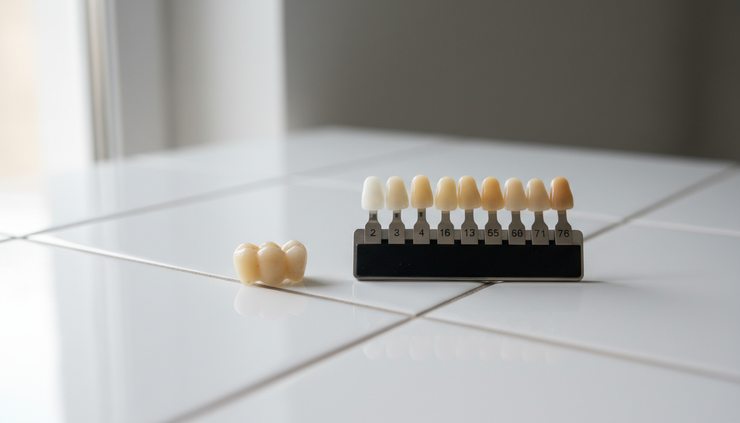
Pain, healing, and success factors after extraction
Immediate placement is a surgical procedure, but it should not be painful during treatment because the area is numbed. After the anesthesia wears off, soreness, swelling, and mild bruising can happen. These symptoms are usually managed with the dentist’s instructions and recommended medication.
The first few days are important. The implant site needs protection while the gum begins to heal.
Common aftercare instructions may include:
Eat soft foods at first
Avoid chewing directly on the implant side
Do not smoke
Avoid spitting forcefully during early healing
Keep the area clean as instructed
Take prescribed medication correctly
Attend follow-up appointments
The gum may look better within a short time, but the bone takes longer. Implant integration often takes several months. The exact healing time depends on bone density, implant stability, grafting, general health, and whether the implant is loaded with a temporary tooth.
What factors affect the success of immediate implants?
Immediate implants can be safe and predictable when case selection is right. Success depends on planning and healing conditions.
Important factors include:
Bone quality and quantity
The implant needs enough bone to hold it firmly from the start. If the socket is thin or damaged, extra support may be needed.
Control of infection
Infection must be cleaned properly. If infection is severe, delayed placement may be safer.
Primary stability
This means the implant feels stable at placement. Without good initial stability, immediate loading is usually not advised.
Gum thickness and shape
Healthy gum tissue helps create a natural-looking result, especially in the smile zone.
Bite forces
Grinding, clenching, or heavy contact on a temporary crown can disturb healing.
Home care
Plaque buildup around the implant site can lead to inflammation and healing problems.
Do you need bone grafting before an implant?
Not always. Some extraction sockets have enough bone for immediate placement without grafting. In other cases, the dentist may place grafting material during the same appointment to fill small gaps around the implant.
Bone grafting may be recommended when:
The outer socket wall is thin
The tooth had infection-related bone loss
The implant does not fully fill the extraction socket
The gum and bone shape need support for a front tooth
A delayed implant plan is safer
Bone grafting does not mean treatment has failed. It often helps create a better foundation.
Cost and when to consider immediate implantation
The cost of immediate implant treatment varies widely. It depends on the number of teeth, imaging needs, surgical complexity, grafting, temporary teeth, materials, lab work, and the final crown or bridge.
In Giza and across Egypt, pricing can also differ by clinic, dentist experience, implant system, and whether additional procedures are needed. A single fee may not include every stage, so it is better to ask for a written treatment plan that separates:
Extraction
Implant placement
Bone grafting, if needed
Temporary tooth or temporary bridge
Final crown, bridge, or denture
Follow-up visits
Imaging or surgical guide fees
Immediate implantation may be worth discussing when a tooth cannot be saved and the extraction site looks favorable. It may be especially helpful when the tooth is visible, when gum shape is important, or when reducing the number of surgeries is a priority.
It may be better to wait if there is major infection, weak bone, severe gum disease, or medical risk that needs attention first.
The right answer comes from a full exam, not from the calendar alone.

FAQs
Can you get a dental implant immediately after extraction?
Yes, if the bone, gums, and infection status are suitable. The implant must also be stable enough when placed. If the socket is damaged or infected, delayed placement may be safer.
Are same-day dental implants possible?
Yes, but the phrase can mean different things. Some patients receive the implant on the same day as extraction. Some also receive a temporary tooth. The final crown usually comes after healing.
Are immediate dental implants safe?
They can be safe in well-selected cases with careful planning. Safety depends on bone support, infection control, medical health, bite forces, and follow-up care.
Is immediate implantation better than traditional implants?
Not always. Immediate placement can reduce treatment stages and help preserve gum shape. Traditional placement may be better when infection, bone loss, or healing concerns are present.
How long does an immediate dental implant take to heal?
The gum may settle fairly quickly, but bone healing often takes several months. The final timeline depends on the case, whether grafting was used, and when the dentist decides the implant is ready for the final tooth.
The best next step after tooth extraction
Immediate implant placement can be an excellent option, but only when the conditions are right. The key is not speed alone. The key is placing the implant in healthy bone, protecting it during healing, and restoring it at the right time.
If a tooth needs removal and you want to know whether an immediate implant is possible, schedule a clinical evaluation before the extraction whenever you can. That gives the dentist the best chance to plan the socket, preserve bone, and explain whether same day tooth replacement is realistic.
For a personalized assessment, you can book a consultation with Dr. Tamer Wagih and discuss the safest timing for your implant treatment.
Book Your Dental & Implantology Consultation
When it comes to your overall health, confidence, and appearance, choosing specialized dental care makes all the difference. If you are looking for expert dental and cosmetic treatment, you can book your consultation with Dr. Tamer Wagih.
Dr. Tamer WagihSpecialist in Oral & Maxillofacial Surgery and Dental Implantology.
He is a member of the Egyptian Association of Oral and Maxillofacial Surgery, the World Congress, and the International Society of Implant Dentistry.
His clinics provide a comprehensive range of dental services using the latest technologies, including:
Dental Implants, including full-arch dental implants
Oral & Maxillofacial Surgery
Dental Veneers
Dental Crowns & Restorations
Teeth Whitening
Gum & Root Canal Treatment
📍 Clinic Locations & Appointments
Giza Branch:8 Mourad Street – Mourad Administrative Towers, opposite the Chamber of Commerce
Phone: 01212066985
Hawamdeya Branch:Al Nozha Street, off El Gomhoria Street, above Al Badrashiny Pharmacy Phone: 01559928051
Comments