.png)
Stress and Oral Health: How Stress and Anxiety Affect Your Teeth, Jaw Pain, and Mouth Ulcers

How Stress Affects Your Teeth and Oral Health: Causes, Symptoms, Prevention, and Treatment
Stress and anxiety have become an unavoidable part of daily life for many people, especially employees and students facing constant pressure. But did you know that stress and oral health are closely connected? In this article, we'll explore how stress can affect your teeth and gums, highlight common problems such as teeth grinding (bruxism), jaw pain, and mouth ulcers, and share practical tips for prevention and effective treatment.
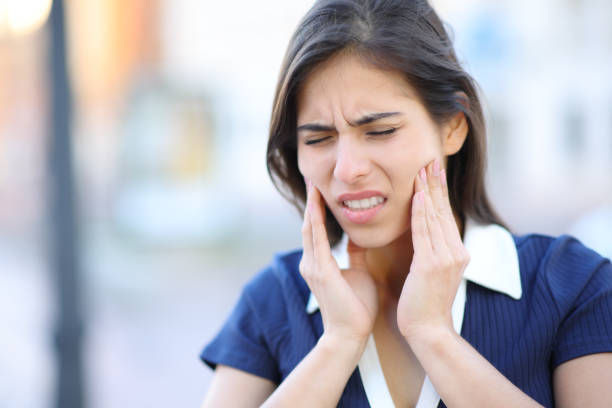
The Connection Between Stress and Oral Health
Stress affects the entire body, and your mouth is no exception. When you're under prolonged psychological stress, your body releases hormones such as cortisol, which can weaken the immune system and increase inflammation. As a result, your mouth becomes more vulnerable to problems such as tooth decay, gum disease, and dry mouth.
Stress can also lead to unhealthy habits, including:
Neglecting regular brushing and flossing.
Eating more sugary foods and drinking sugary or carbonated beverages.
Skipping routine dental checkups.
Together, these factors can significantly increase the risk of poor oral health.
Teeth Grinding (Bruxism) and Its Impact on Oral Health
Teeth grinding, also known as bruxism, is a common condition among people experiencing chronic stress or anxiety. It often occurs during sleep, so many people are unaware they are grinding their teeth.
How Does Bruxism Affect Your Teeth?
Wears down tooth enamel, leading to tooth sensitivity and pain.
Damages fillings, crowns, and other dental restorations.
Causes jaw and facial pain due to excessive pressure on the muscles and joints.
Triggers frequent headaches related to muscle tension in the jaw and head.
If you notice grinding noises during sleep or experience persistent jaw pain, it's important to consult your dentist for evaluation and treatment.
Jaw Pain and Stress
Jaw pain is one of the most common symptoms associated with stress and anxiety. It occurs because stress causes the muscles around the jaw to tighten, which can eventually lead to temporomandibular joint (TMJ) disorders.
Signs of Stress-Related Jaw Pain
Difficulty opening or closing the mouth normally.
Tightness or soreness in the jaw and facial muscles.
Clicking or popping sounds when moving the jaw.
Pain that radiates to the neck or ears.
These symptoms can interfere with daily life and should not be ignored.
Stress and Mouth Ulcers
Mouth ulcers are small, painful sores that develop inside the mouth and are often linked to increased stress levels. Stress can weaken the immune system, making the body less able to fight the inflammation and irritation that contribute to these ulcers.
Common Causes of Stress-Related Mouth Ulcers
A weakened immune system caused by chronic stress.
Accidentally biting the cheeks or tongue due to anxiety.
Deficiencies in certain vitamins and minerals resulting from changes in eating habits during stressful periods.
Mouth ulcers may last for several days or even weeks and can make eating, drinking, and speaking uncomfortable.
Prevention and Treatment
Preventing the effects of stress on your oral health starts with managing stress effectively while maintaining good oral hygiene.
Prevention Tips
Practice relaxation techniques such as deep breathing, yoga, or meditation.
Brush your teeth twice a day and floss daily.
Visit your dentist regularly for routine checkups and early detection of oral health issues.
Avoid harmful habits such as teeth grinding or chewing on hard objects.
Eat a balanced diet rich in essential vitamins and minerals.
Treatment Options
Wear a custom night guard while sleeping if you grind your teeth.
Take pain relievers or anti-inflammatory medications only under your healthcare provider's guidance.
Treat mouth ulcers with soothing or medicated mouth rinses recommended by your dentist.
Consider physical therapy or jaw muscle massage to relieve jaw pain and tension.
Seek support from a mental health professional if stress or anxiety becomes severe or persistent.


Comments