
What Happens If You Skip Brushing Your Teeth Before Bed

You get home tired, eat something quick, and the bed feels impossible to resist. Skipping the toothbrush once can feel harmless. The problem starts when “just tonight” becomes a normal habit.
Nighttime is the longest stretch most people go without eating, drinking, rinsing, or cleaning their mouths. That makes it the most important time to remove food particles, sugar, and plaque. While one missed brushing is not likely to ruin your teeth, repeated nights of Sleeping Without Brushing can raise the risk of cavities, gum irritation, tartar buildup, and bad breath.
This article is for general oral health education. It does not replace advice from a dentist, especially if there is pain, bleeding, swelling, or ongoing bad breath.
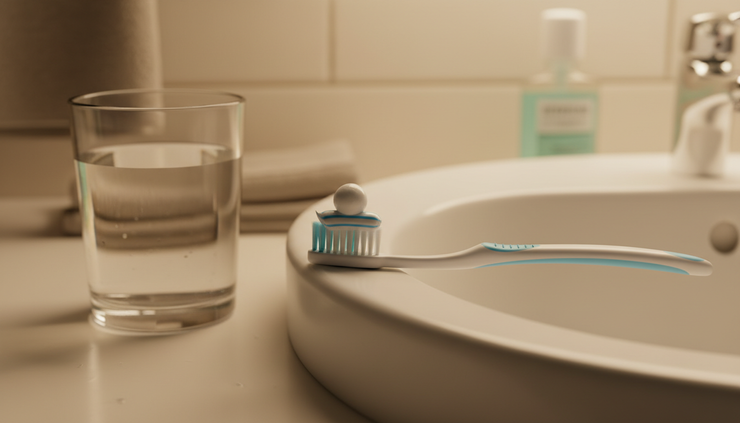
Your mouth changes while you sleep
During the day, saliva does a lot of quiet work. It helps wash away food debris, dilutes acids, supports the minerals in enamel, and makes it harder for bacteria to sit undisturbed for long periods.
At night, saliva flow naturally slows down. This is normal, but it changes the environment inside the mouth. Food particles and sugars left on the teeth stay there for hours. Plaque bacteria are not washed away as easily. Acids sit on the enamel longer than they would during the day.
If the air is dry, or if someone sleeps with their mouth open, the mouth can feel even drier. This can happen anywhere, including warm, dry places such as Giza. A dry mouth is more comfortable for harmful bacteria and less protective for teeth and gums.
Think of nighttime as a long pause in the mouth’s self-cleaning system. If the teeth are clean before sleep, that pause is not a big problem. If the teeth are coated with leftover food and plaque, bacteria get a long, quiet window to work.
Plaque has all night to feed and grow
Plaque is a sticky film made of bacteria, saliva proteins, and food debris. It forms on teeth every day, even in healthy mouths. Brushing and flossing keep it under control.
When plaque is not removed before bed, bacteria feed on leftover sugars and starches. This does not only mean candy or desserts. Bread, rice, pasta, sweet drinks, fruit juice, biscuits, and late-night snacks can all leave carbohydrate particles behind.
As bacteria break down those particles, they produce acids and unpleasant-smelling compounds. The effect is strongest in areas that are easy to miss:
Between the teeth
Along the gumline
Around fillings, crowns, or braces
At the back molars
In grooves on chewing surfaces
Plaque begins as a soft film, so a toothbrush and floss can remove it. If it stays in place, minerals from saliva can harden it into tartar. This does not usually happen from one missed night, but repeated skipping gives plaque more chances to harden.
Tartar cannot be brushed away at home. Once it bonds to the teeth, a dentist or dental hygienist needs to remove it with professional tools.

The main risks of skipping brushing before bed
Sleeping without cleaning your teeth affects more than how your mouth feels in the morning. Over time, it can change the balance between healthy bacteria and harmful bacteria.
Here is what can happen when the nighttime routine is skipped too often.
What happens | Why it matters |
Plaque stays on the teeth | Bacteria remain in direct contact with enamel and gums for several hours |
Acids build up | Enamel can weaken, which makes cavities more likely |
Food ferments between teeth | Morning breath becomes stronger and harder to clear with a quick rinse |
Gums react to bacteria | Redness, swelling, tenderness, or bleeding can appear |
Plaque hardens into tartar | Professional cleaning becomes necessary to remove hardened deposits |
Cavities can develop faster
Tooth enamel is strong, but it is not invincible. Acid attacks weaken the mineral surface of the tooth. Saliva helps repair early mineral loss during the day, but at night there is less saliva available.
When plaque sits on the teeth for hours, the acid has more time to affect enamel. If this pattern repeats, weak spots can become cavities. Early decay may not hurt at all, which is why many people do not notice a problem until the cavity becomes larger.
A common pattern is a small dark area in a groove, sensitivity to sweets, or discomfort with cold drinks. By the time pain appears, the decay may already need dental treatment.
Bad breath becomes more noticeable
Morning breath is common, even in people who brush well. The mouth is drier during sleep, so odor-producing bacteria become more active.
Skipping brushing makes this worse. Food particles left between teeth and along the tongue break down overnight. Bacteria release sulfur-like smells, which can lead to a strong odor on waking.
A morning rinse or mint may hide the smell for a short time, but it does not remove the cause. Cleaning before bed reduces the material bacteria use to produce odor.
Gums can become inflamed
Healthy gums should not bleed easily. When plaque collects along the gumline, the immune system reacts. Gums may become red, puffy, sore, or more likely to bleed during brushing.
This early stage is often called gingivitis. It can usually improve with better brushing, daily flossing, and professional cleaning when needed. If gum inflammation continues for a long time, it can develop into more serious gum disease, which affects the tissues that support the teeth.
Bleeding gums are common, but they are not something to ignore.

A quick rinse is not the same as brushing
Rinsing with water is better than doing nothing, especially after a snack or sweet drink. It can wash away some loose debris and reduce acidity for a short time.
Still, rinsing cannot remove sticky plaque. Plaque clings to the tooth surface. It needs physical cleaning from toothbrush bristles and dental floss.
Mouthwash can also help in some cases, but it should not replace brushing and flossing. Some mouthwashes reduce bacteria or provide fluoride, but they do not scrub plaque from the gumline or dislodge food between teeth.
A good nighttime routine does not need to be complicated. It needs to be consistent.
The basic routine is simple:
Brush for about two minutes with fluoride toothpaste
Clean between the teeth with floss or interdental brushes
Spit out toothpaste after brushing
Avoid eating again after brushing if possible
Drink water if the mouth feels dry
For most people, brushing twice a day and cleaning between the teeth once a day is a strong foundation. Nighttime is especially valuable because it prepares the mouth for several hours with less saliva.
How to make the nighttime routine easier
The biggest barrier is usually not knowledge. Most people know brushing matters. The hard part is doing it when tired.
A few small changes can make the habit easier to keep.
Brush before you feel exhausted
Do not wait until the moment you are half asleep. Brush soon after dinner or after the last planned snack. If tea, coffee, or dessert comes later, rinse with water and brush before bed.
If you eat or drink something acidic, such as citrus juice or soda, it can be gentler to wait a short time before brushing. Water can help rinse the mouth while you wait.
Keep supplies visible
Place a toothbrush, fluoride toothpaste, and floss where they are easy to see. A hidden routine is easier to skip.
If floss feels difficult, try floss picks or interdental brushes. The best tool is the one that gets used correctly and regularly.
Make it a two-minute rule
Two minutes can feel long when tired, but it is a small investment compared with fillings, tartar removal, gum treatment, or tooth pain.
Focus on all surfaces:
Outer surfaces of the teeth
Inner surfaces near the tongue
Chewing surfaces of molars
Gumline areas
Back teeth, where plaque often hides
Use gentle pressure. Scrubbing hard can irritate gums and wear tooth surfaces over time. A soft-bristled brush is usually a good choice.
Do not ignore the tongue
The tongue can hold bacteria and odor-causing debris. Gently brushing the tongue or using a tongue cleaner can help reduce morning breath.
This step is quick, but it can make the mouth feel much fresher in the morning.

When skipping brushing is a bigger warning sign
Missing one night after a long day is not a dental emergency. The best response is to brush well the next morning and return to the routine that night.
But if skipping brushing happens often, or if symptoms are already present, it is time to pay closer attention.
Watch for signs such as:
Gums that bleed often
Persistent bad breath
Tooth sensitivity
Visible tartar near the gums
Dark spots or holes in teeth
Pain when chewing
A dry mouth that happens regularly
A dental check-up can catch problems early, often before they become painful or expensive to treat. Professional cleaning also removes tartar that brushing cannot remove.
For anyone who has not seen a dentist in a while, a routine visit is a practical next step. Daily care protects the teeth at home, while check-ups help catch what a bathroom mirror can miss.
Frequently asked questions
Is it really bad to sleep without brushing once?
One missed night is unlikely to cause serious damage by itself. The risk comes from repeating the habit. Plaque and food debris left overnight give bacteria more time to produce acids and irritate gums.
Is brushing at night more important than brushing in the morning?
Both matter, but night brushing plays a special role. It removes plaque and food before the long sleep period, when saliva flow drops and bacteria have more time to act.
Can mouthwash replace brushing before bed?
No. Mouthwash may freshen breath or add fluoride, depending on the type, but it does not physically remove sticky plaque the way brushing and flossing do.
What if I am too tired to floss every night?
Brushing is still better than skipping everything. That said, cleaning between teeth is important because toothbrush bristles cannot fully reach those spaces. If regular floss feels hard, try floss picks or interdental brushes.
Why do my gums bleed when I brush after skipping nights?
Bleeding often happens when plaque irritates the gumline. Gentle brushing and daily cleaning between teeth can help, but ongoing bleeding should be checked by a dentist.
The habit that protects your smile while you sleep
Brushing before bed is not just about fresh breath. It removes the fuel bacteria use during the longest quiet stretch of the day. It helps protect enamel, lowers the chance of tartar buildup, and gives gums a cleaner environment overnight.
The routine can be simple: two minutes of brushing with fluoride toothpaste, daily cleaning between the teeth, and regular dental check-ups. If the day has been tiring, keep the goal small. Do the basic clean before your head hits the pillow.
Your teeth do not need a perfect routine. They need a consistent one.


Comments