
Why Do Dental Fillings Fall Out and How Can You Prevent It

A filling can feel perfectly fine one day and come loose the next. You bite into something, feel a sharp edge or sudden pain, and realize part of the tooth is exposed. It feels sudden, but in many cases the problem has been building quietly for weeks, months, or even years.
When Dental Fillings Fall Out, the cause is usually not random. The tooth, the filling material, or the bond between them has weakened. Sometimes decay has returned under the filling. Sometimes chewing pressure has been too high. Sometimes the tooth needed more protection than a normal filling could provide.
This guide explains why fillings fail, what could have been done to reduce the risk, and what to do if a filling comes out.

Why fillings fall out without warning
A dental filling works by sealing a prepared area of the tooth after decay or damage has been removed. For the filling to last, three things must work together:
The tooth must have enough healthy structure to hold it.
The filling must bond tightly or lock into the tooth shape.
The forces from chewing must stay within what the filling can handle.
If one of these fails, the filling may loosen, crack, or fall out. The moment it comes out may feel sudden, but the cause often started earlier.
A small gap at the edge of the filling can let bacteria enter. A hard bite can create a tiny crack. Night grinding can add pressure night after night. Moisture during placement can weaken bonding. Over time, the filling loses support.
That is why a lost filling should not be treated as a simple inconvenience. It can be a sign that the tooth underneath needs careful examination.
The most common reasons dental fillings fall out
Fillings can fail for several reasons. Some are related to habits. Others are related to the condition of the tooth or the way the filling was placed.
Decay can return under the filling
Secondary decay is one of the leading reasons fillings fail. This happens when new decay forms around or beneath an existing filling.
Even a very small gap between the tooth and the filling can collect bacteria and food debris. Over time, bacteria produce acids that soften the tooth structure. The filling may still look normal from the outside, but the tooth underneath becomes weak.
Once the base under the filling breaks down, the filling no longer has firm support. It may loosen, crack, or come out while chewing.
Common signs of decay around a filling include:
Sensitivity to sweets, cold drinks, or hot foods
Food getting stuck near the filling
A dark line around the filling edge
Bad taste from one area of the mouth
Pain when biting down
Sometimes there are no clear symptoms until the filling fails. That is why regular dental checkups matter. A dentist may detect early leakage or decay before the filling comes loose.
Hard foods can crack or dislodge a filling
Teeth are strong, but fillings are not designed to work like tools. Biting ice, cracking nuts, chewing hard candy, or opening packages with the teeth can create intense pressure.
That pressure may cause:
A filling fracture
A crack in the surrounding tooth
A broken edge of enamel
Full detachment of the filling
Large fillings are more vulnerable because less natural tooth remains around them. A small filling in a strong tooth may tolerate normal chewing for years. A large filling in a weakened molar faces much higher stress.
The risk is even higher when the filling is old or when the bite does not meet evenly. If one filling hits before the other teeth, it may take extra pressure every time the person chews.

Teeth grinding can wear fillings down
Teeth grinding, also called bruxism, can damage fillings even when eating habits are careful. Many people grind during sleep and do not realize it.
Bruxism places repeated force on teeth. This can wear down filling material, stress the bond, and create small fractures. Over time, the filling becomes loose or the tooth around it breaks.
Possible signs of grinding include:
Jaw soreness in the morning
Headaches near the temples
Flattened or chipped teeth
Tooth sensitivity without obvious decay
Clicking or tiredness in the jaw
Fillings that keep breaking
Grinding is especially hard on back teeth because molars absorb most chewing force. If a person keeps replacing a broken filling without treating the grinding, the new filling may fail again.
Moisture during placement can weaken the bond
Tooth-colored composite fillings need a clean, dry field during placement. Saliva, blood, or moisture can interfere with the bonding process.
A composite filling bonds to the tooth through careful steps. The dentist prepares the tooth, cleans the area, uses bonding agents, places the material, and cures it with a special light. If moisture contaminates the area at the wrong time, the bond may be weaker than expected.
This does not mean every filling placed without isolation will fail. Many factors matter, including tooth location, cavity depth, gum position, and patient cooperation. Still, moisture control is a major part of long-lasting adhesive dentistry.
Back teeth can be harder to isolate because they sit close to the tongue and cheeks. Fillings near the gum line can also be more challenging because moisture is harder to control there.
The filling may be too large for the tooth
A filling replaces missing tooth structure, but it does not make a badly weakened tooth as strong as a natural tooth. If a cavity is very large, the remaining walls may be thin.
In these cases, a normal filling may act like a patch on a weak shell. Chewing forces can split the tooth or push the filling out. The filling material may be sound, but the tooth cannot support it.
Large molar fillings are a common example. If most of the biting surface has been repaired, a crown or onlay may protect the tooth better than another large filling.
Old fillings can simply reach the end of their useful life
Fillings do not last forever. They face chewing pressure, temperature changes, saliva, acids, and cleaning products every day. With time, edges can wear down and small cracks can appear.
The lifespan of a filling varies widely. It depends on the material, size, location, oral hygiene, grinding habits, and diet. A small filling may last many years. A large filling in a heavy bite may need replacement much sooner.
A filling that feels rough, catches floss, or traps food should be checked before it falls out.
What could have been done to prevent failure
Not every lost filling can be prevented, but the risk can often be reduced with better planning, careful technique, and the right protection after treatment.
A rubber dam can keep the tooth dry
A rubber dam is a thin sheet that isolates the tooth being treated. It helps keep saliva away from the filling area.
This is especially useful for composite fillings because they need a dry surface for strong bonding. A rubber dam also improves visibility and helps prevent contamination during the procedure.
Benefits include:
Better moisture control
Cleaner bonding surface
Less interference from the tongue and cheeks
Improved access for the dentist
Lower risk of saliva entering the prepared tooth
For many fillings, especially cosmetic light-cured fillings, isolation can make a real difference in the quality of the bond.

Microscope-assisted dentistry can improve precision
Dental microscopes and magnification help dentists see details that are hard to detect with the naked eye. This can be useful when removing decay, checking old filling edges, and sealing small spaces.
A microscope may help the dentist:
Identify hidden decay around a filling
Remove damaged tissue more conservatively
Detect small cracks
Shape the preparation more accurately
Check whether the filling margin is sealed
A tight seal matters because bacteria can enter through microscopic gaps. The better the fit and finish, the harder it is for plaque and bacteria to collect at the edge.
Microscope-assisted dentistry is not needed for every simple filling, but it can be valuable in complex cases, deep decay, replacement fillings, and teeth with cracks or repeated failure.
The bite should be checked carefully
After a filling is placed, the dentist usually asks the patient to bite on marking paper. This shows whether the filling is too high.
A high filling may not seem like a major problem at first. Yet even a tiny extra height can place too much force on one tooth. This can cause pain when biting and may loosen or crack the filling.
A proper bite check should include normal biting and side-to-side movements. If the filling feels high after the numbness wears off, it should be adjusted. Waiting too long can irritate the tooth or damage the restoration.
A night guard can protect fillings from grinding
If grinding is present, replacing the filling is only part of the solution. A custom night guard can help reduce the force placed on teeth during sleep.
A night guard does not stop the grinding habit itself. Instead, it acts as a protective barrier. It spreads pressure more evenly and reduces direct tooth-to-tooth contact.
Custom guards made by a dentist usually fit better than over-the-counter options. A poor-fitting guard may feel uncomfortable or change the bite. For people with repeated filling fractures, a custom guard can be an important investment in long-term dental stability.
A crown may be better than another filling
When tooth damage is extensive, a crown may be the stronger choice. A crown covers the visible part of the tooth and helps distribute chewing forces across the whole structure.
A crown may be recommended when:
The filling would be very large
A tooth has cracked
Several filling replacements have failed
A root canal-treated tooth needs protection
The remaining tooth walls are thin
The molar carries heavy bite force
This does not mean every damaged tooth needs a crown. A conservative filling is often the right choice for small or moderate cavities. The key is choosing the treatment that matches the amount of remaining tooth structure.
A filling may work well when
The cavity is small to moderate, the tooth walls are strong, and the bite force is normal.
A crown may be safer when
The tooth is badly weakened, cracked, heavily filled, or exposed to strong grinding pressure.
What to do if a filling falls out
A lost filling should be checked as soon as possible. The exposed tooth can become painful, collect bacteria, or fracture further.
Until the dental visit, these steps may help reduce irritation:
Keep the area clean with gentle brushing.
Rinse with warm salt water after meals.
Avoid chewing on that side.
Stay away from very hot, cold, sticky, or hard foods.
Save the filling if it comes out in one piece.
Do not use household glue or unsafe materials in the tooth.
Pharmacies may sell temporary dental filling material, but this is only a short-term measure. It does not replace proper cleaning, decay removal, bonding, or tooth protection.
Seek urgent care if there is severe pain, swelling, fever, a bad taste with pus, or pain that wakes you from sleep. These signs may suggest deeper infection or nerve inflammation.
This article is for general dental education only. A dentist needs to examine the tooth, check X-rays when needed, and decide whether the tooth needs a new filling, a crown, root canal treatment, or another approach.
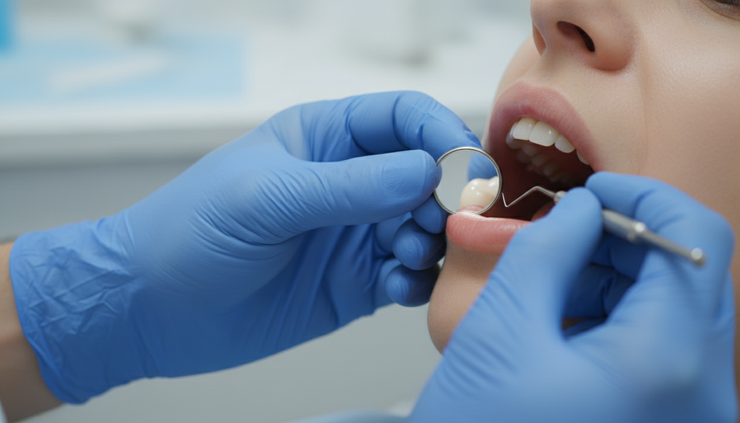
How to reduce the chance of another lost filling
Preventing a repeat problem starts with finding out why the old filling failed. Replacing it without addressing the cause can lead to another failure.
Good prevention includes:
Treating any decay fully before placing the new restoration
Using strong moisture control during bonding
Choosing the right material for the tooth and bite
Checking the bite after placement
Avoiding hard chewing habits
Wearing a night guard if grinding is present
Getting routine checkups before small gaps become large problems
Daily care also matters. Brush twice a day with fluoride toothpaste, clean between teeth, and limit frequent sugary snacks. Fillings often fail at their edges, and plaque control helps protect those margins.
If Dental Fillings Fall Out repeatedly from the same area, that is a sign to look deeper. The issue may be bite pressure, a crack, poor remaining tooth structure, or decay that is difficult to see without magnification or X-rays.
FAQ
Is a fallen filling a dental emergency?
It can be urgent, especially if there is pain, swelling, or a sharp broken edge. Even without pain, the tooth should be examined soon because the exposed surface can decay or fracture.
Can a dentist put the same filling back in?
Usually, no. Once a filling comes out, the tooth and old material need to be evaluated. The dentist may need to remove decay, reshape the area, and place a new restoration.
Why does my tooth hurt after the filling falls out?
The missing filling can expose sensitive dentin. Pain may also come from decay, a crack, or irritation close to the nerve. A dental exam is the safest way to find the cause.
Can I eat after losing a filling?
Eat carefully and avoid chewing on that side. Choose soft foods and avoid hard, sticky, very hot, or very cold items until the tooth is treated.
How can I know if I need a crown instead of a filling?
A dentist will check how much healthy tooth remains, whether cracks are present, and how strong your bite is. Large or repeatedly broken fillings often need more coverage than a standard filling can provide.
The key takeaway
A filling that falls out suddenly usually has a clear cause. Decay, hard foods, grinding, moisture during bonding, old material, or weak tooth structure can all play a role.
The best prevention is not only placing a new filling. It is choosing the right treatment from the start, isolating the tooth properly, sealing it tightly, checking the bite, and protecting it from grinding when needed.
If a filling has come loose, cracked, or fallen out, do not leave the tooth exposed. Book a dental appointment as soon as possible so the tooth can be assessed before the damage becomes more painful or harder to repair.


Comments